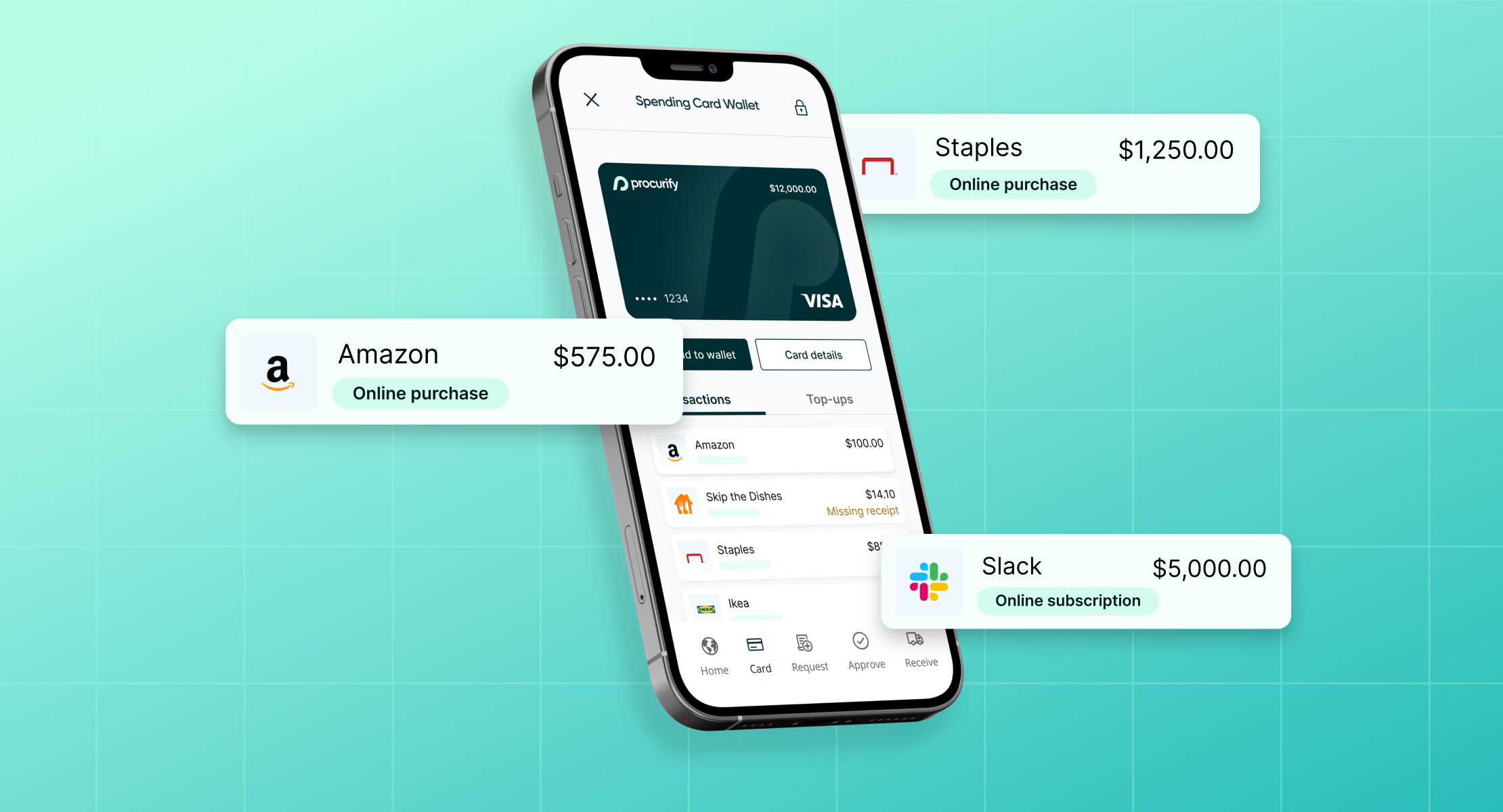

Benefits of Expense Management Software
Managing expenses isn’t just about reimbursements—it’s about control, visibility, and making smarter financial decisions. The problem is that in many businesses, expense reporting is still manual: spreadsheets, email approvals, and receipts scattered across inboxes.
That “small” workflow gets expensive fast. GBTA research has found that an expense report can take about 20 minutes to complete and cost about $58 to process. About 19% of these will contain errors or missing information that will require additional time to fix. Multiply that across a growing team, and it turns into a steady drain on time and visibility. This is why so many SMBs look to expense management solutions.
Expense management software is a system that helps employees submit expenses with receipts, automatically routes approvals, enforces policy rules, and turns spending into clean, real-time reporting.
Benefits of expense management software include:
- Faster submissions and approvals
- Fewer errors, duplicates, and missing details
- Automatic policy checks that flag exceptions early
- Real-time visibility into spend by team, category, and vendor
- Cleaner audit trails for every transaction
- Better budgeting and forecasting with consistent data
How expense management software saves time
Expense and reimbursement reporting is one of those processes that steals time in small chunks: searching for receipts, copying details into spreadsheets, chasing approvals, and fixing missing information after the fact. For employees, it’s tedious. For finance, it turns into review and follow-up work.
Expense management software saves time by removing the steps that create back-and-forth. Expenses are submitted in a structured format, approvals follow a defined workflow, and finance receives what they need the first time instead of chasing people down.
Invoice OCR adds another time win. It pulls key fields like vendor, date, and amount automatically, so employees are not retyping details and finance is not correcting them later. When teams submit expenses on the go, mobile spend management workflows help capture information in the moment rather than rebuilding it days later from memory and inbox searches.
Policy rules do the same kind of cleanup upfront. If something is out of policy or missing required details, it is flagged immediately instead of surfacing later during review.
The end result is fewer touchpoints per expense report, faster approvals, and less follow-up for everyone involved.
Benefits of an expense management system: Reduce costs
Managing expenses manually creates hidden costs. Not just from the time it takes, but from errors, duplicates, out-of-policy spend, and decisions made without clear visibility. Expense management software helps finance teams reduce those leaks by putting controls and real-time data into the process.
Key ways expense management software helps cut costs
- Prevents duplicate or inaccurate reimbursements
- Surfaces overspending trends earlier
- Flags higher-risk transactions using rules and anomaly detection to catch duplicates, breaches, and unusual patterns
- Enforces spend limits and approval thresholds automatically
First, it reduces mistakes. Manual entry leads to incorrect amounts, missing context, and reimbursements that should have been rejected or corrected. With structured submissions and automated checks, issues get caught earlier, and duplicates are easier to spot before they turn into payments.
Second, it improves visibility. When expenses are categorized consistently and captured in real time, finance can see where budgets are drifting, which teams are exceeding policy, and where spend is creeping up across vendors or categories. That creates opportunities to correct behavior, renegotiate, or consolidate purchases before the quarter is over.
Third, it helps with fraud prevention and policy enforcement. Many platforms include rule-based approval workflows and machine-learning signals that flag suspicious patterns or exceptions. Even when the issue is not fraud, the same detection catches risky behavior early and reduces exposure.
Finally, software enforces spending controls at the point of submission and approval. Budget limits, approval thresholds, and permissions ensure accountability across the organization, which is often the difference between scaling cleanly and scaling into chaos.
This is also where the distinction between broader spend management and expense management becomes important, since cost control typically improves when expenses are managed with consistent rules and visibility across teams.
Real-time spend visibility for budgeting and forecasting
Real-time spend visibility gives finance teams a current view of how budgets are being used, not just how they looked at the end of last month. As expenses are submitted and approved, spending data is categorized and reflected in reports, making it easier to track budget usage as it happens.
This visibility improves forecasting by grounding projections in actual spend patterns. Historical expense data can be analyzed by department, category, vendor, or project, helping teams identify seasonality, recurring costs, and areas of variability. Forecasts become easier to update because they are based on consistent, structured data rather than delayed summaries.
Shared dashboards, spend analysis tools, and reports can also support better budget ownership. Department leaders can see how their spending is tracking against plan and adjust earlier, while finance maintains a single source of truth. Budget conversations are faster and more productive because everyone is working from the same numbers.
When expense data connects cleanly and integrates easily with accounting and ERP systems, that visibility carries through to financial reporting. Budgets, actuals, and forecasts stay aligned across tools, reducing reconciliation work and increasing confidence in the numbers used for planning and decision-making.
What better spend control looks like over time
The biggest value in expense management software shows up after the initial rollout, when the process becomes consistent enough to manage spend with confidence, not just process it faster. Over time, teams move from “getting expenses done” to running expense management as a controlled system.
Here are the long-term outcomes that matter most:
- Fewer exceptions as a percentage of total spend. Policy becomes something you can manage and improve, not something you constantly chase.
- Shorter reimbursement and improved approval cycle times. Not just faster in theory, but consistently faster across teams.
- Cleaner, more predictable month-end work. Fewer one-off fixes, fewer unclear transactions, and less time spent reclassifying expenses.
- Stronger accountability for budget owners. Approvals become more intentional, and spending patterns are easier to review in context.
- Better spend discipline without heavy-handed restrictions. The workflow reinforces the right behavior by default, which reduces the need for constant reminders and escalations.
A simple way to pressure-test whether the process is actually improving is to track a small set of operational KPIs.
Track these for 60–90 days:
- Average time from submission to approval
- Percent of submissions returned or flagged
- Percent of spend that is out of policy
- Percent of transactions missing required details
- Time spent on expense-related cleanup at close
When those numbers improve, you do not just have a smoother expense process. You have spend control that holds up as the business scales.
If you’re considering expense management software, the right next step is understanding what to evaluate, what to prioritize, and how expenses fit into broader spend control across teams. Our Spend Management Software Buyer’s Guide walks through what to look for and how to compare solutions.
Preview AI Intake for Orders
Take the product tour to see how the new intake experience works.