


Confused about the difference between purchasing and procurement? We break down what each means, how they fit into the procure-to-pay process, and how to benchmark your maturity with our model.
Confused about the difference between purchasing and procurement? We break down what each means, how they fit into the procure-to-pay process, and how to benchmark your maturity with our model.

A practical guide to accounts payable—what it is, how it works, and how to improve it with clear best practices and the KPIs AP teams track.

Purchase requisitions help teams control spend before it happens. This guide explains what a purchase requisition is, how it differs from a purchase order, what to include, and how PRs fit into the procure-to-pay process—plus practical ways to improve approvals, budget visibility, and compliance.

ERP projects don’t usually fail on go-live day. The real test is whether purchasing and accounts payable hold up once the project team steps away. This guide breaks down why ERP implementations fall short, the warning signs to watch for, and what a clean end-to-end process actually looks like when you expect the ERP to cover purchasing and AP.
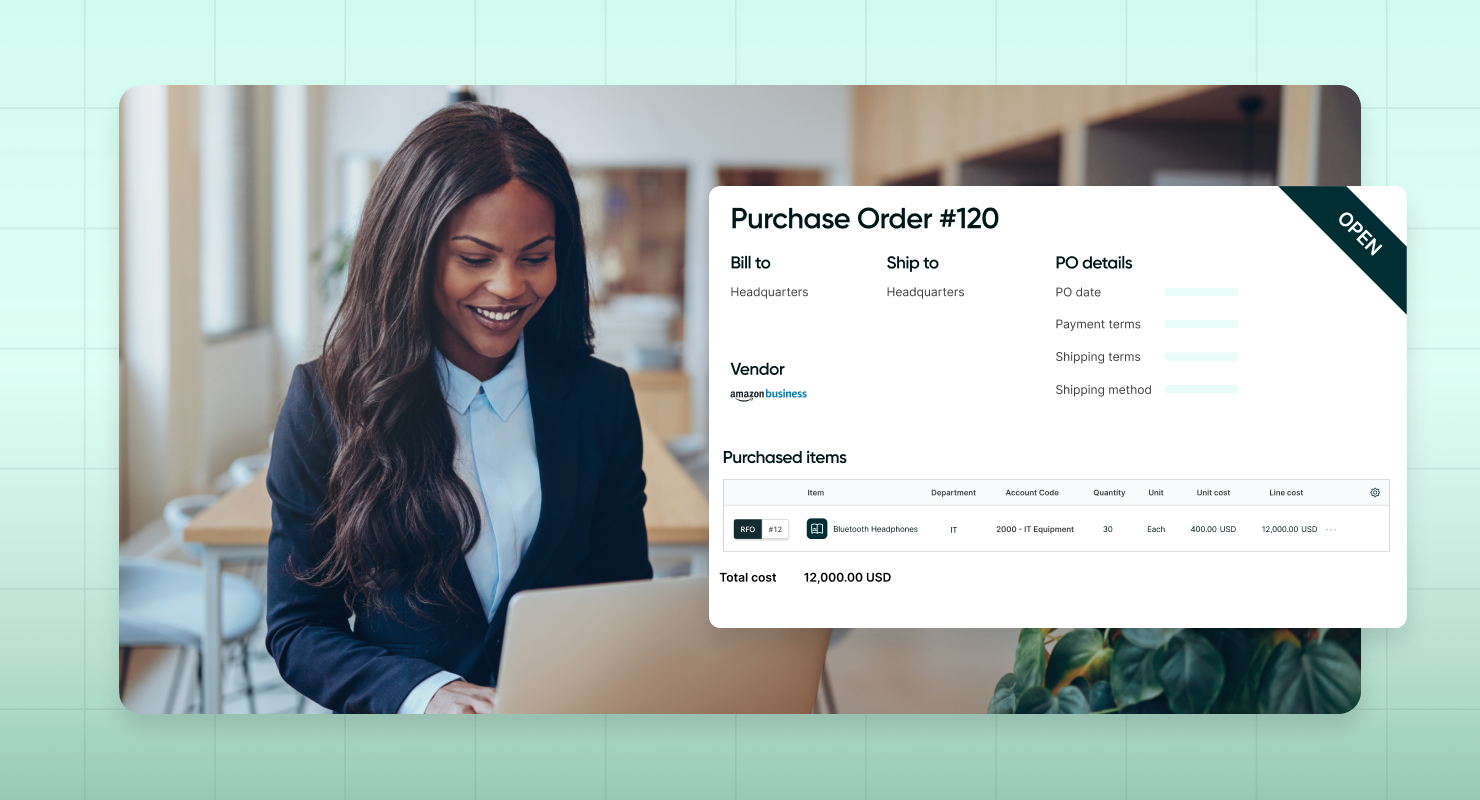
Everything you need to know about purchase orders: what they are, what to include, the main PO types, and how to build a consistent process that improves spend management.

QuickBooks Online is a strong accounting foundation, but growing companies often need additional tools to support purchasing, reporting, inventory, and other workflows. This guide breaks down the best integrations by use case and explains how to choose the right tools for your business.
Finance teams need more than expense tracking to control spend. This guide compares Procurify, Ramp, Coupa, Precoro, and Zip to show how each platform supports procurement, purchasing, and accounts payable—and which tools provide the most complete visibility and control.
Learn how P2P, R2R, and Q2C connect procurement, finance, and revenue.
Understanding these processes helps finance teams improve visibility, speed up reporting, and make smarter, data-driven decisions.

Most AP teams track volume, cycle time, and cost per invoice—but those numbers don’t explain payment reliability, supplier experience, or risk. This guide breaks down the four APQC-backed accounts payable KPIs, the benchmarks behind them, and how to use them to improve performance without creating new exposure elsewhere in the process.
Invoice approvals and purchase approvals solve different problems. One verifies a bill is correct and ready to pay. The other authorizes spend before you commit. Here’s how finance teams use both together, and how to tell when the lines are getting blurred.

Spend management and expense management serve different roles in financial operations. This article explains how they differ, where each applies, and how organizations use both to manage spending across the full lifecycle.
Spend culture shows up in accruals, reclasses, and forecast variance. Learn what spend culture means for finance teams, where it breaks down, and how to improve close quality without rebuilding your entire process.

Compare top vendors and choose the right solution.