

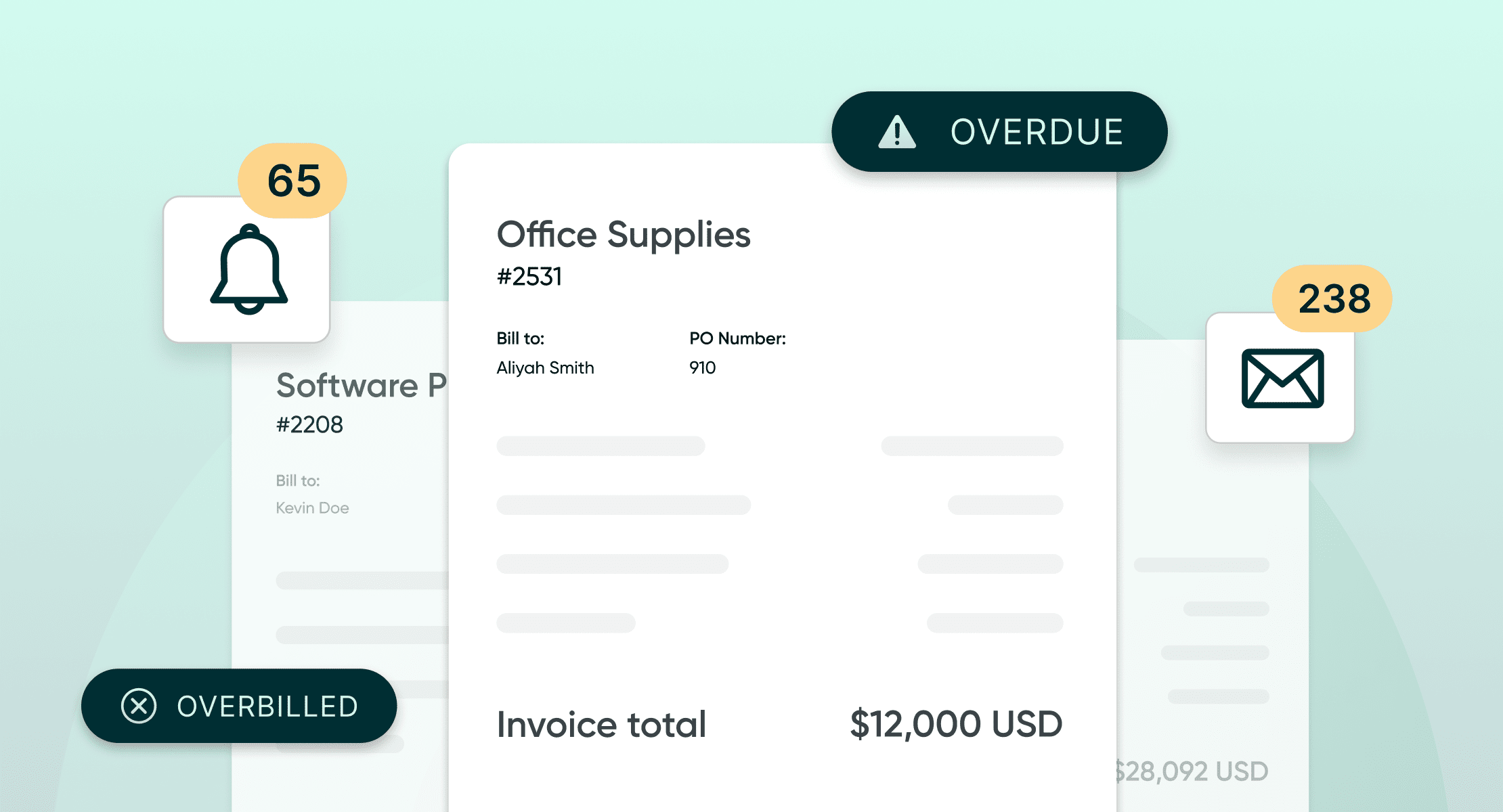
A practical guide for mid-market teams evaluating Coupa alternatives. Covers why enterprise procurement software fails at this scale, the hidden operational costs, and a full comparison of the leading platforms.
A practical guide for mid-market teams evaluating Coupa alternatives. Covers why enterprise procurement software fails at this scale, the hidden operational costs, and a full comparison of the leading platforms.
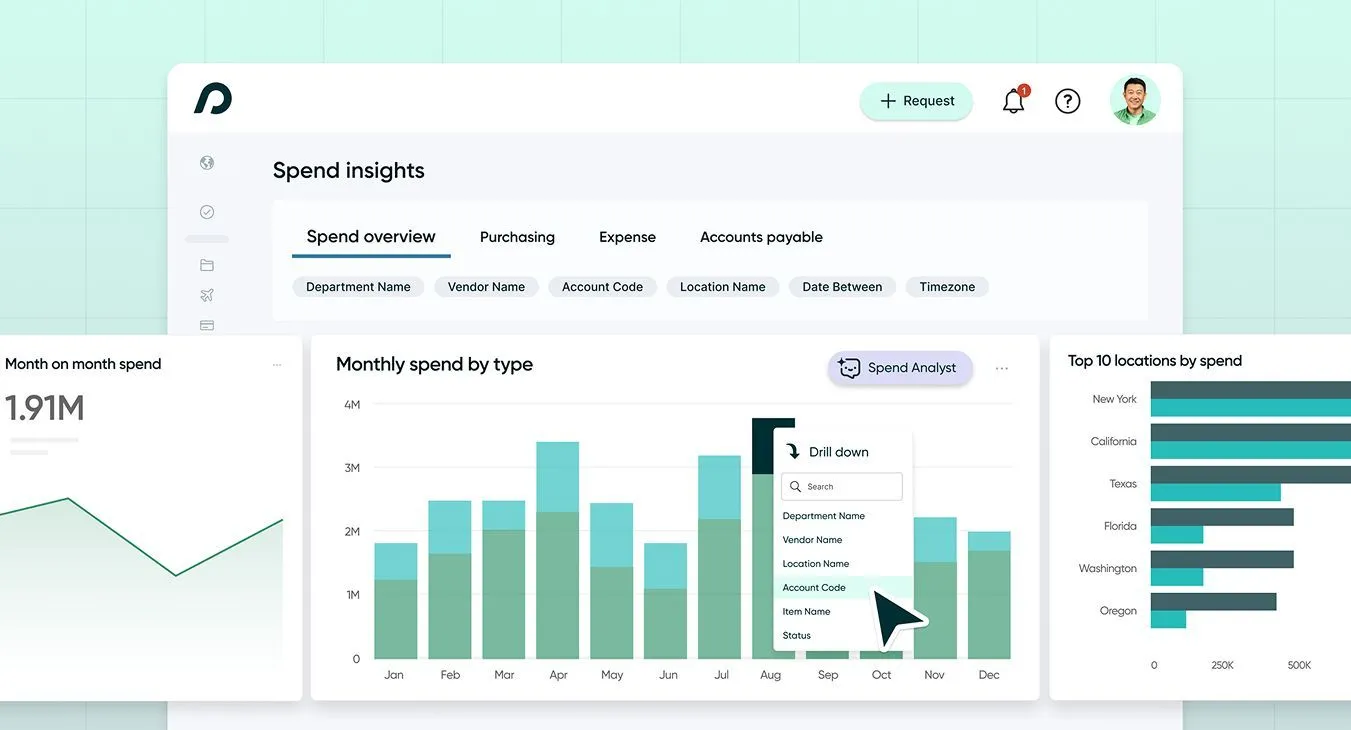
AI is transforming how companies understand and control spend. This guide explores how AI spend analysis tools improve visibility, policy compliance, and cash flow management—and how Procurify’s Spend Insights turns those capabilities into daily action for finance and operations teams.

This article breaks down how procurement works across nonprofits, where the biggest challenges emerge, and what benchmark data reveals about sector-wide performance.

QuickBooks Online is a strong accounting foundation, but growing companies often need additional tools to support purchasing, reporting, inventory, and other workflows. This guide breaks down the best integrations by use case and explains how to choose the right tools for your business.

AI is moving quickly in procurement, but trust is not keeping up. In a recent conversation on The Sourcing Hero, Chad Gaydos shares what’s changing, where teams are still cautious, and what it takes to use AI in a way that actually works.
Finance teams need more than expense tracking to control spend. This guide compares Procurify, Ramp, Coupa, Precoro, and Zip to show how each platform supports procurement, purchasing, and accounts payable—and which tools provide the most complete visibility and control.

Looking for the right procure-to-pay software? This guide compares leading P2P platforms based on features, use cases, pricing models, and overall fit for your business.
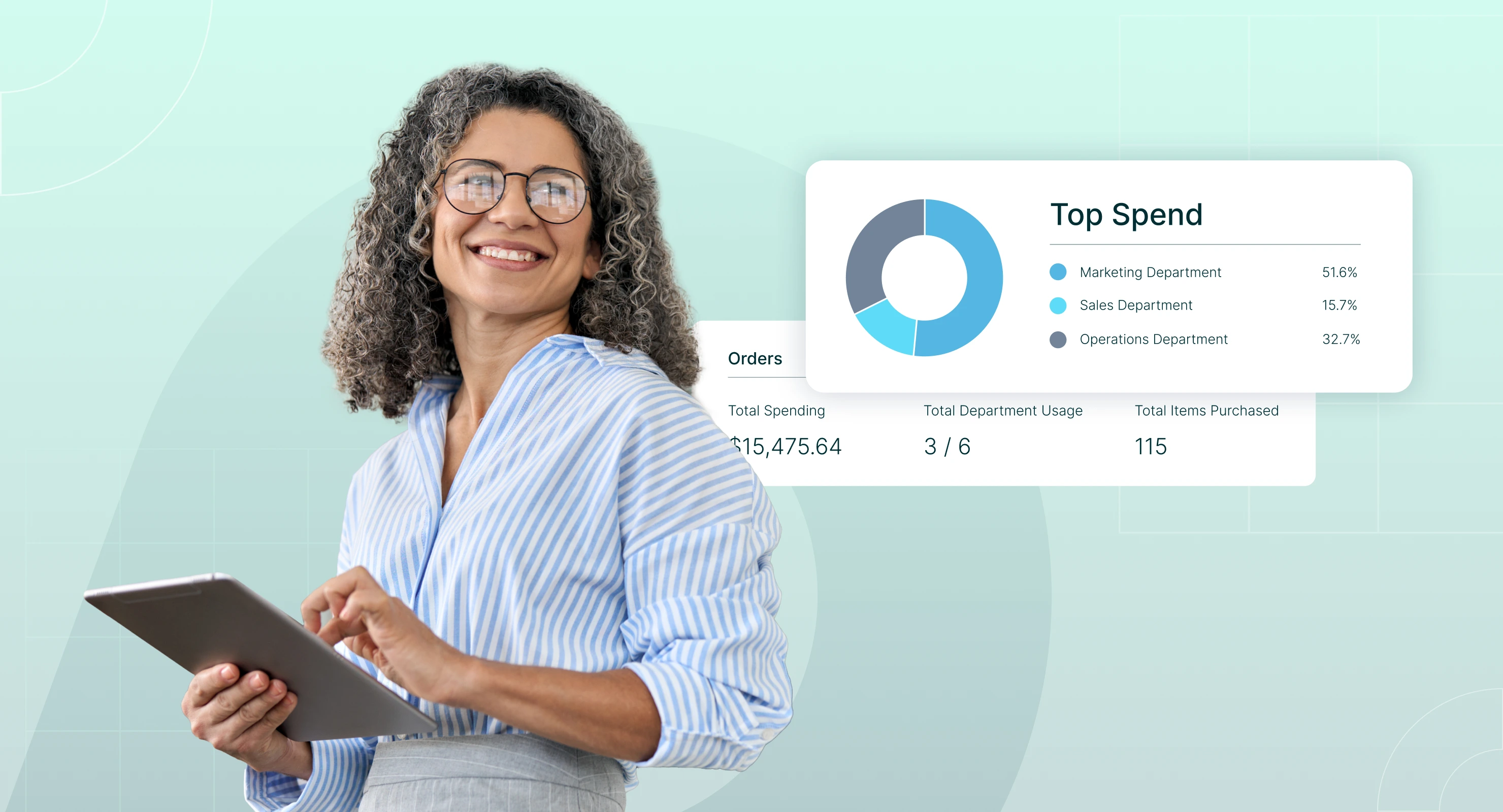
The benefits of spend management go beyond cost control. Learn how visibility, automation, and accountability help teams govern spend proactively.
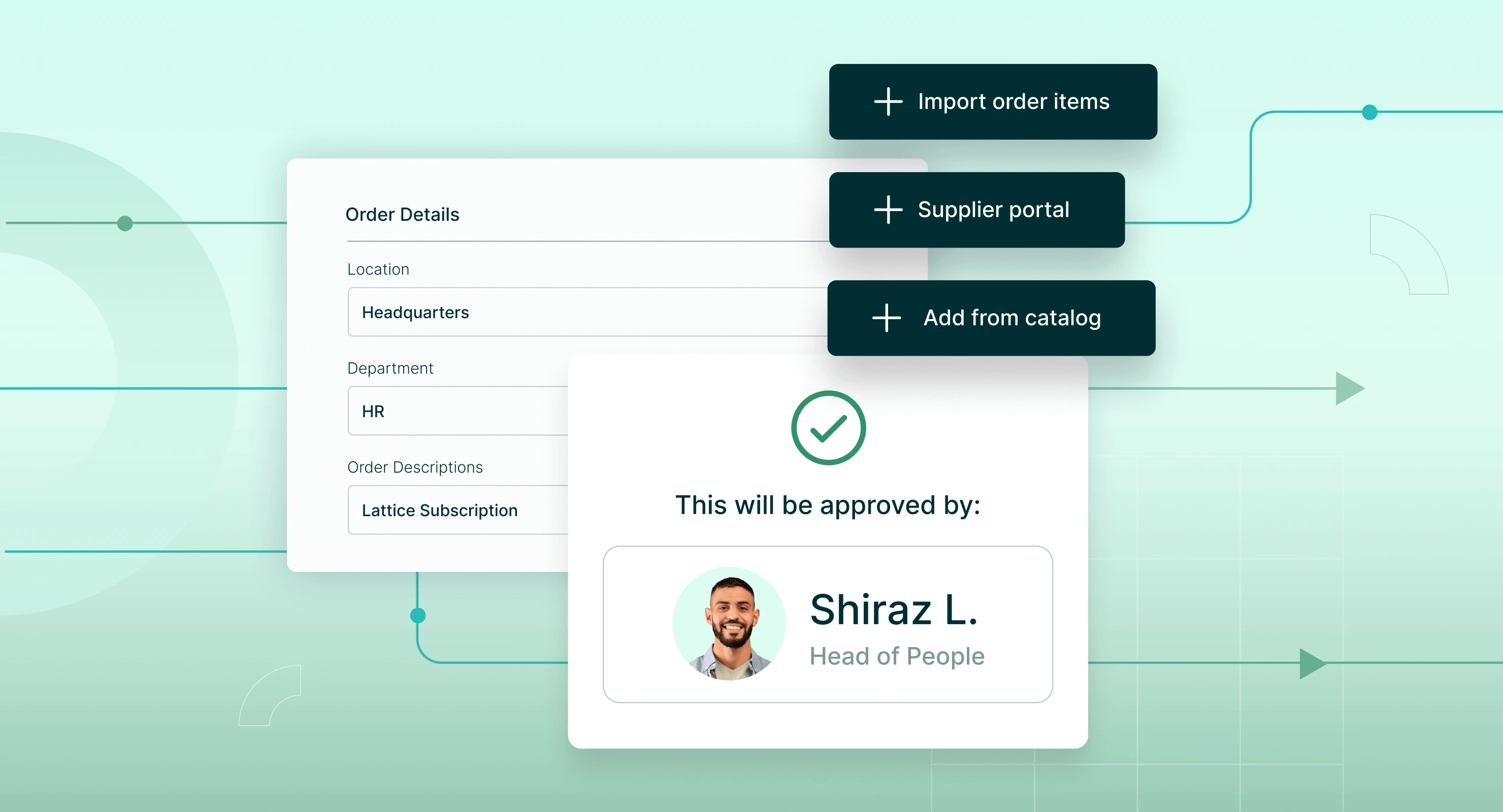
A step-by-step guide to the purchasing process, plus practical ways to streamline approvals, improve invoice accuracy, and maintain a clean audit trail with automation and data.
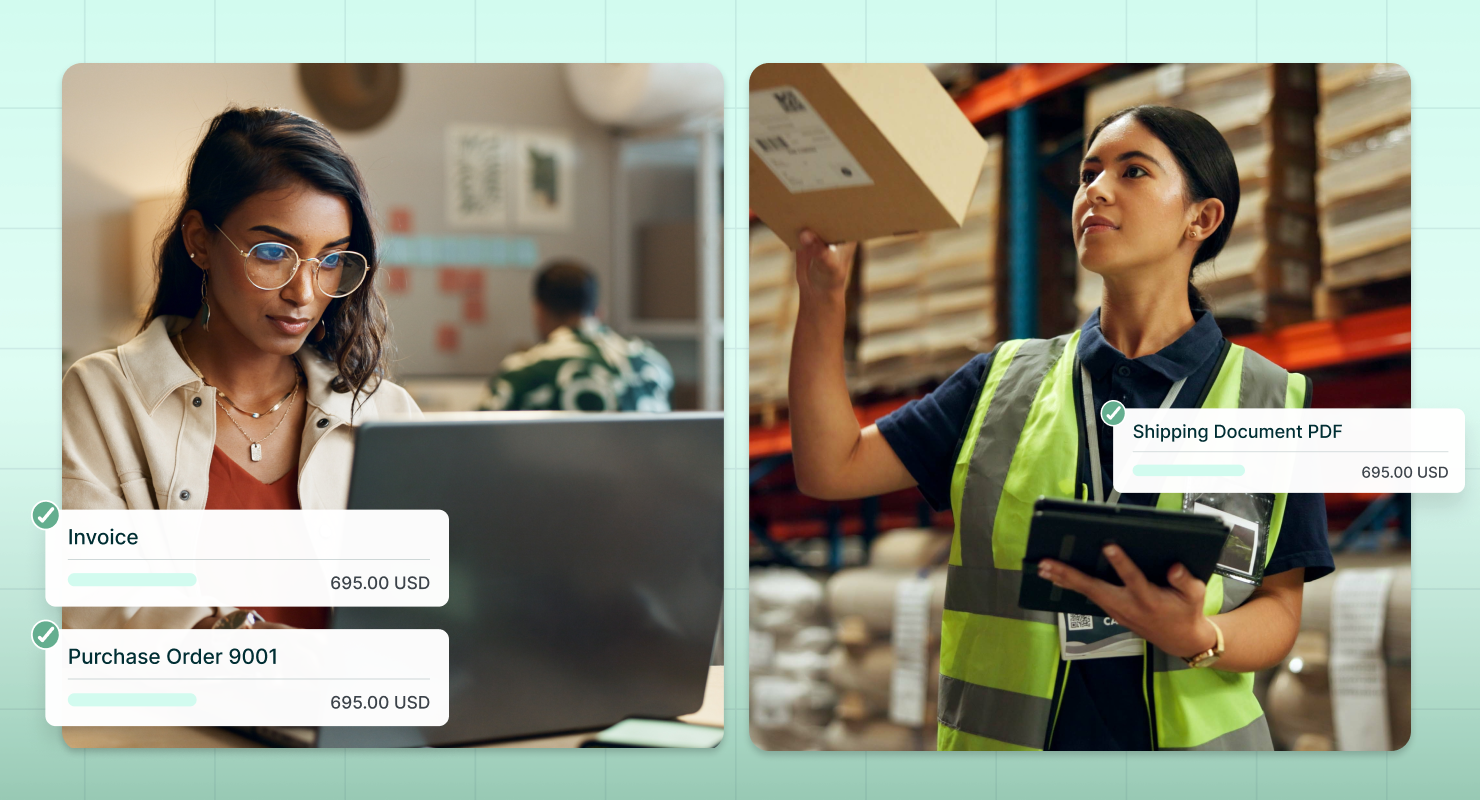
Uncover the differences between procurement and supply chain management, and see how integrating both can streamline your business operations for better efficiency and success.

Confused about the difference between purchasing and procurement? We break down what each means, how they fit into the procure-to-pay process, and how to benchmark your maturity with our model.

Explore the distinctions between direct and indirect procurement. Dive into their roles, strategies, and impact on spend management. Discover how they influence a company’s operations, profitability, and supplier relationships.

Compare top vendors and choose the right solution.